My 38-year wait for answers
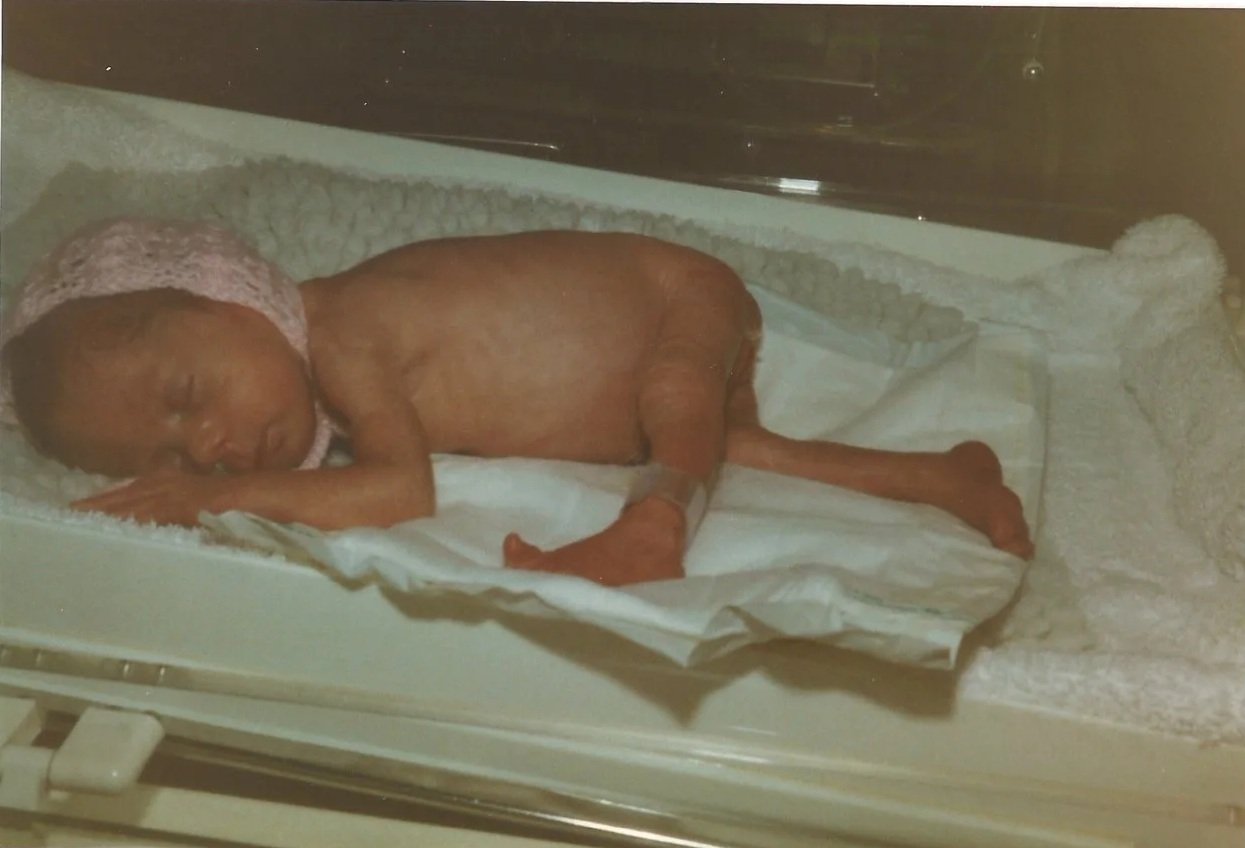
My mother tells me that I was delivered at 29 weeks by caesarean section, as an emergency due to me becoming distressed. My birth weight was 2lb 8oz (1.13kg) and I spent six weeks in a Special Care Baby Unit.
During this time a CT brain scan showed several cerebral bleeds which, my mother was told, were ‘regular occurrences in low-birth-weight babies’. Following my discharge home, I developed RSV Pneumonia and required re-admission for ventilation. It is interesting that from day one my left leg appeared to have a ‘mind of its own’ and, instead of crawling, I shuffled on my bottom. Unfortunately, the health visitor attached to us, appeared to lack empathy and provided little emotional support to my mum. At age three, I required squint surgery.
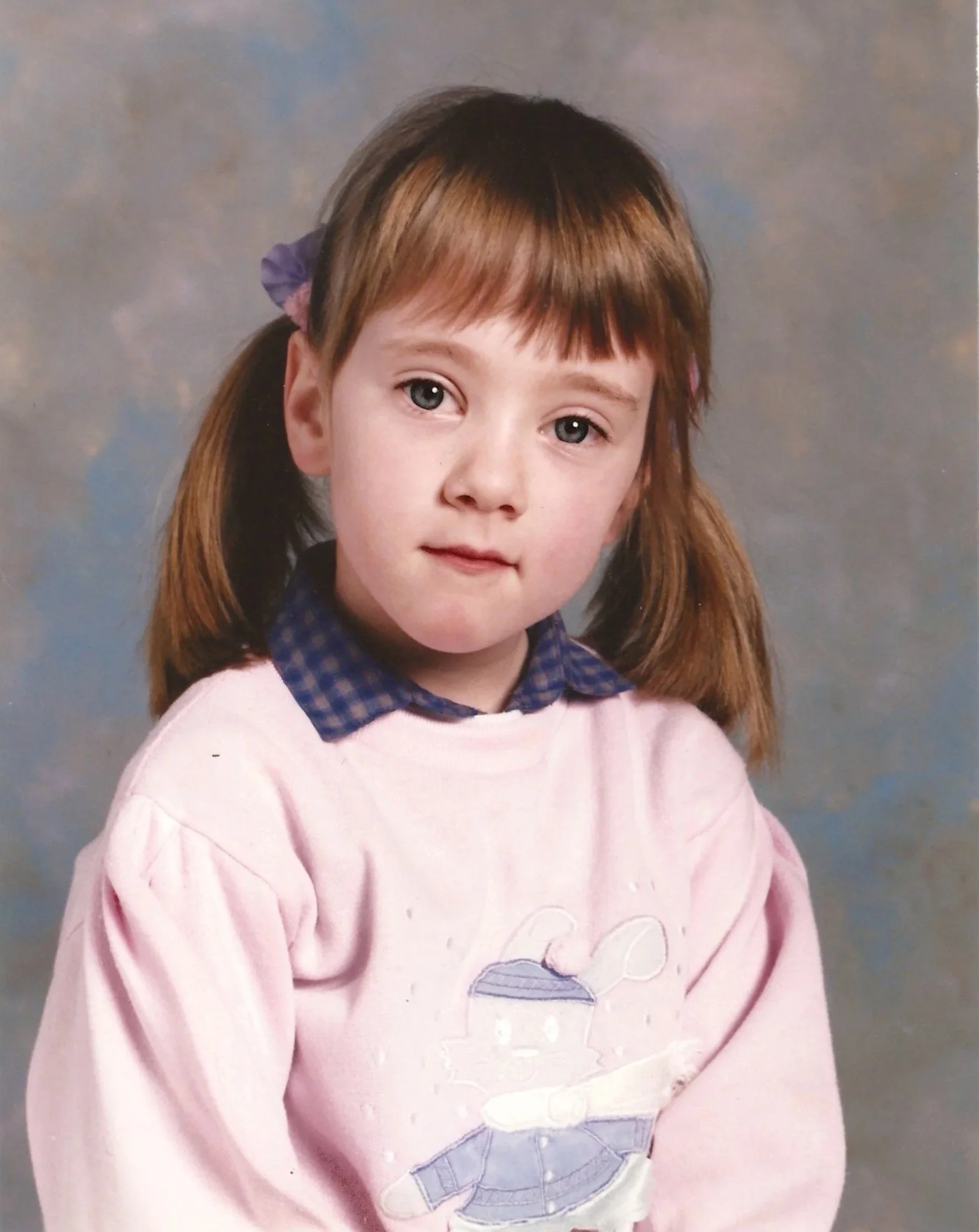
I did not enjoy playgroups and nursery. It was too loud and boisterous for me, and at primary school I struggled with my balance and co-ordination. My parents were very worried, but teachers told them I was ‘just shy’ and lacked confidence. Thankfully a Year 3 teacher recognised that I needed an educational assessment. I received a Statement of Special Educational Needs (similar to today’s EHCP) in Year 6 and had some one-to-one maths support, six weeks of physio, and occupational therapy, plus a referral to the Visually Impaired Educational Department. I often had a bruised left ankle, but I couldn’t remember injuring it. The GP did blood tests but nothing else. Still no diagnosis – just a jumble of ideas from various sources.
Growing up
High School was a nightmare. Games teachers lacked understanding of why I struggled in the gym and on the sports field. I felt ridiculed in front of my peers.
I was bullied because of my gait, and my classmates also lost patience. This has continued into my adult life. I gained 4 NVQs at college to become a teaching assistant but have only been able to obtain part-time posts as a play worker. I prefer to work remotely data inputting but have become rather socially isolated.
I began driving lessons in my twenties but developed double vision – diagnosed by my eye surgeon as Optokinetic Nystagmus. It was suggested that I drive with my eye patched, but I felt this was unsafe, so I stopped driving. Another blow to my independence and career prospects.
Looking for answers
Without a diagnosis, I never knew what to put on my application forms, so I decided to seek a definitive answer as to why I have dyspraxia and dyscalculia. In October 2024 (aged 38 years), I obtained a private consultation with a very understanding consultant neurologist. Within 40 minutes of reviewing my history and performing a thorough physical examination (my mum was present), he diagnosed cerebral palsy, predominantly affecting my left side.
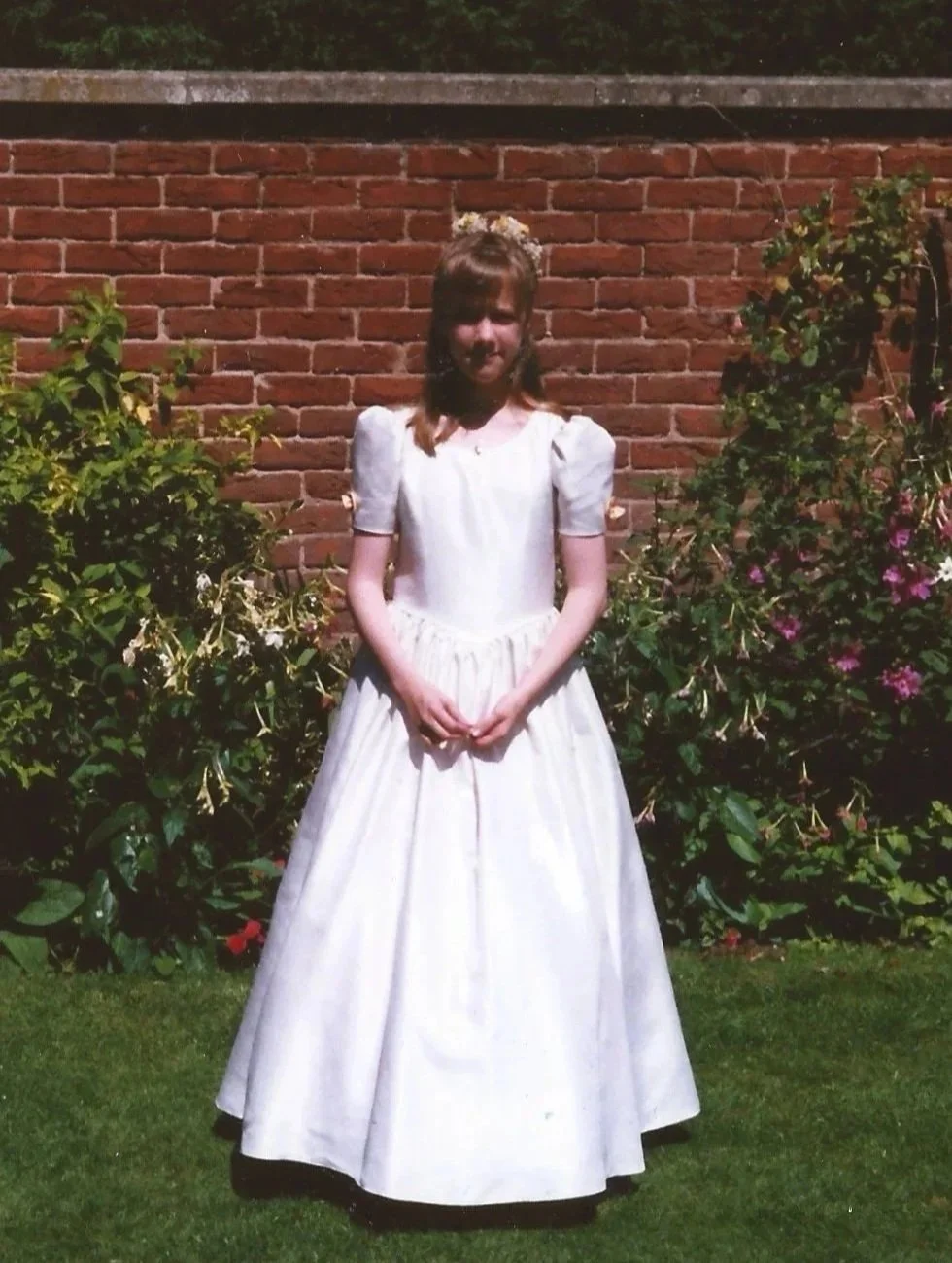
My GP has at no time contacted me to discuss my diagnosis and I’ve been told I am not eligible for the support of a social worker. The Citizens Advice Bureau helped me to secure basic level PIP (Personal Independence Payment).
I feel very let down at having to wait so long for a diagnosis, as have my parents, who have supported me at all times. However, I see the diagnosis as a positive as now I can explain my difficulties to others. Sometimes I just need more time to do things.
Words for NICU families
To a family in NICU, I would advise that they voice any concerns straight away and not be palmed off with platitudes. Keep questioning anything that doesn’t seem right. It is about your precious child, whose early birth has turned your world upside down and you deserve to be heard.
To a prematurely born child, who is experiencing difficulties at school, I would say that you are special and that life will get easier. Don’t be afraid to tell others how you feel. Speak to your parents and teachers. Real friends will understand.
“I see the diagnosis as a positive as now I can explain my difficulties to others. Sometimes I just need more time to do things.”
As an adult, you may have insecurities due to lack of understanding on the part of others. Seek out people who are genuine and compassionate. Don’t waste time on people who are not. When applying for employment, state your disabilities. Many companies nowadays have a Disability Confident Policy. However, don’t forget to also tell them about your strengths and why you would be an asset to their company or establishment.
I hope my story will help others to obtain the answers they deserve.
Thanks to Hannah for sharing her story.