Two premature sons = one advocate mum
“No. This can’t be happening again.”
I’d spent all night convincing myself the pains were nothing, that history couldn’t repeat itself. But when my waters broke across the triage floor, everything inside me fell apart. A nurse rushed towards me and I pleaded through tears, “Some women’s waters break and they still hold on for a few weeks… don’t they?”
“Sometimes… but I think your baby is coming today” was her response, and it totally destroyed me. That shouldn’t be how you feel on the day you’re told you’ll meet your baby. But for the second time, all I wanted was to rewind time.
Both my sons were born prematurely: Remy at 27+5 weeks, Otto at 30+2. Both times I was told my pain was ‘normal’, and both times, within hours, we were living every parent’s worst fear with our tiny babies fighting for their lives in NICU while we tried to make sense of what was happening.
As I look back to the intense start and the impact of what has come since, our family – like so many others – has felt every step of the NICU journey, and it’s one that doesn’t end when you walk out of the hospital doors.
Remy: “I think you have a baby”
With Remy, I’d spent the day barely able to walk from pain dismissed for weeks as ligament strain. By the time I took a taxi alone to the hospital at midnight, as my husband was working a night shift, I was 4cm dilated. Everything became frantic with talks of transfer, theatre and premature care they couldn’t provide to a baby of that gestation.
I started questioning what that meant, whether he would survive if he was born here, but there was no time to ask, and I was engulfed in pain and frequent contractions. I was already terrified, then they realised he was breech and ordered a c-section. Within minutes however, my waters broke, and there was nothing left to do but push.
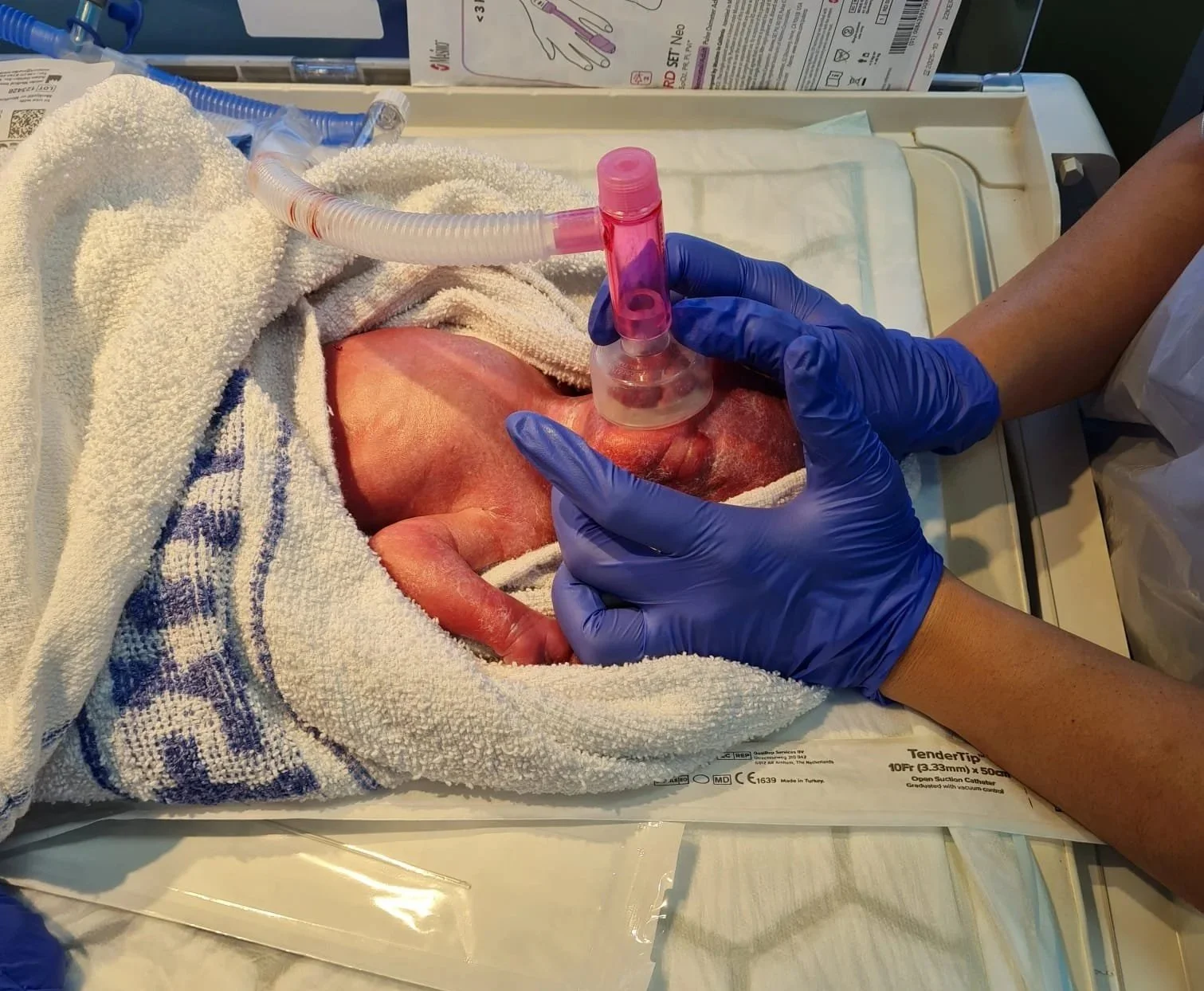
He got stuck, I knew they were worried about oxygen and the midwife’s tone was rising as she demanded I push harder. I gave it everything I had. When he came out, there was no cry. I didn’t see him, I didn’t know if he was alive. I know now that he was blue, not breathing and incredibly bruised. They resuscitated him behind a wall of staff and then rushed him away before I’d even seen him. I had no idea he was even a boy.
As everyone darted out, I was suddenly completely alone. I had no baby and no husband; just shock, untouched medication beside me and wet socks still on my feet reminding me that I hadn’t imagined any of it.
A kind midwife came back in with tea and toast, attempting to normalise the experience as much as possible, like this was any other birth and I hadn’t just watched my world shatter. I sat there in silence, waiting to find out if I was actually a mum. When my husband finally arrived, all I could say was, “I think you have a baby.”
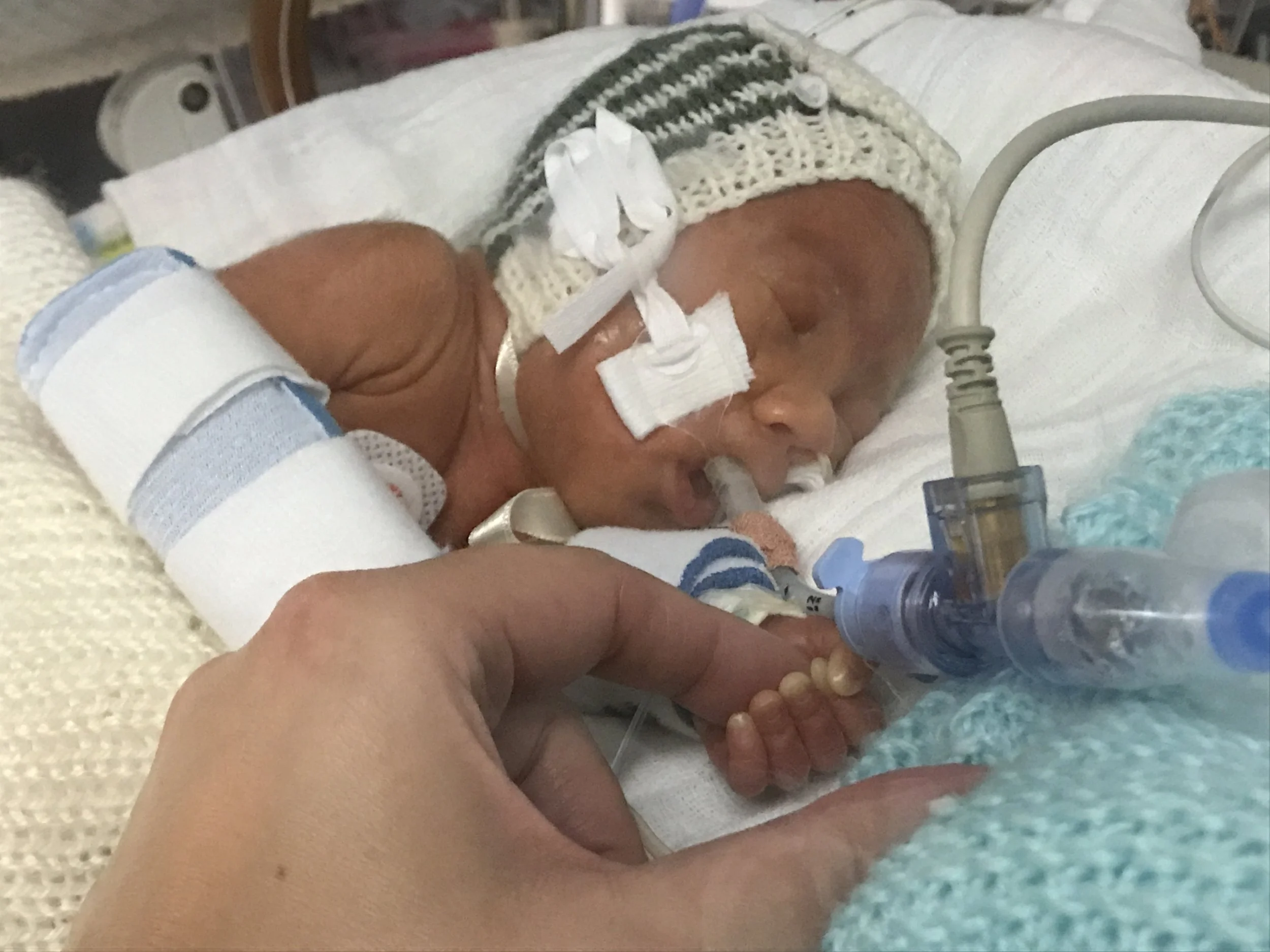
We saw Remy briefly before he was transferred to Brighton. Hours later we followed, driving as the dawn broke to a hospital miles away, terrified we might lose him before we’d truly met him.
Walking into NICU, all I felt was numbness. The tiny, fragile baby in the incubator didn’t feel connected to the one who’d been inside me that morning. The love came later, but at that time either the shock or self-preservation was preventing me from feeling it.
Remy spent three months in hospital, and while some days were hopeful; others devastated me. One morning I was woken early to a phone call from the registrar; we were told he’d repeatedly stopped breathing, needed CPR and wasn’t responding. I still break down when I talk about that day. For one split second, I felt the suffocating weight of losing him, and it’s something that I’m still recovering from. But he fought, slowly letting go of wires, tubes and monitors until we finally brought him home two weeks before his due date.
Otto: “This can’t be happening again”
After Remy’s start, and the difficult years that followed, we weren’t sure we could face having a second child. But eventually, the desire for Remy to have a sibling outweighed the fear, and after five devastating miscarriages, I finally fell pregnant with Otto and carried him into the second trimester. During that time, we learned I had a bicornuate (irregular-shaped) uterus, which might explain Remy’s early birth, but a specialist reassured me many pregnancies like mine reach term, and I clung to that hope.
On Christmas Eve, at 25 weeks, I had a scare and went straight to hospital. Tests suggested it was unlikely I’d deliver before 30 weeks and they were right…by two days.
When the pains started, the nurse on the phone said I couldn’t be in labour because I could still have a normal conversation with her, but something in me knew, and I insisted on going in. As soon as I walked through the doors, my waters broke. Terror returned instantly, but I refused to move until I’d called my husband, I wasn’t doing this alone again.
I was monitored for a short while and then suddenly, everything escalated and I was rushed into theatre for a category 1 emergency C-section. Alarms, hurried consent forms, rings being pulled off my fingers, magnesium sulfate making me sick while they administered an epidural, everything at a million miles an hour. Otto was born 12 minutes after the decision to operate. He cried – a sound I will never forget – proving he was here, that he was alive, and this time, I was afforded a quick glimpse before he was taken straight to NICU.
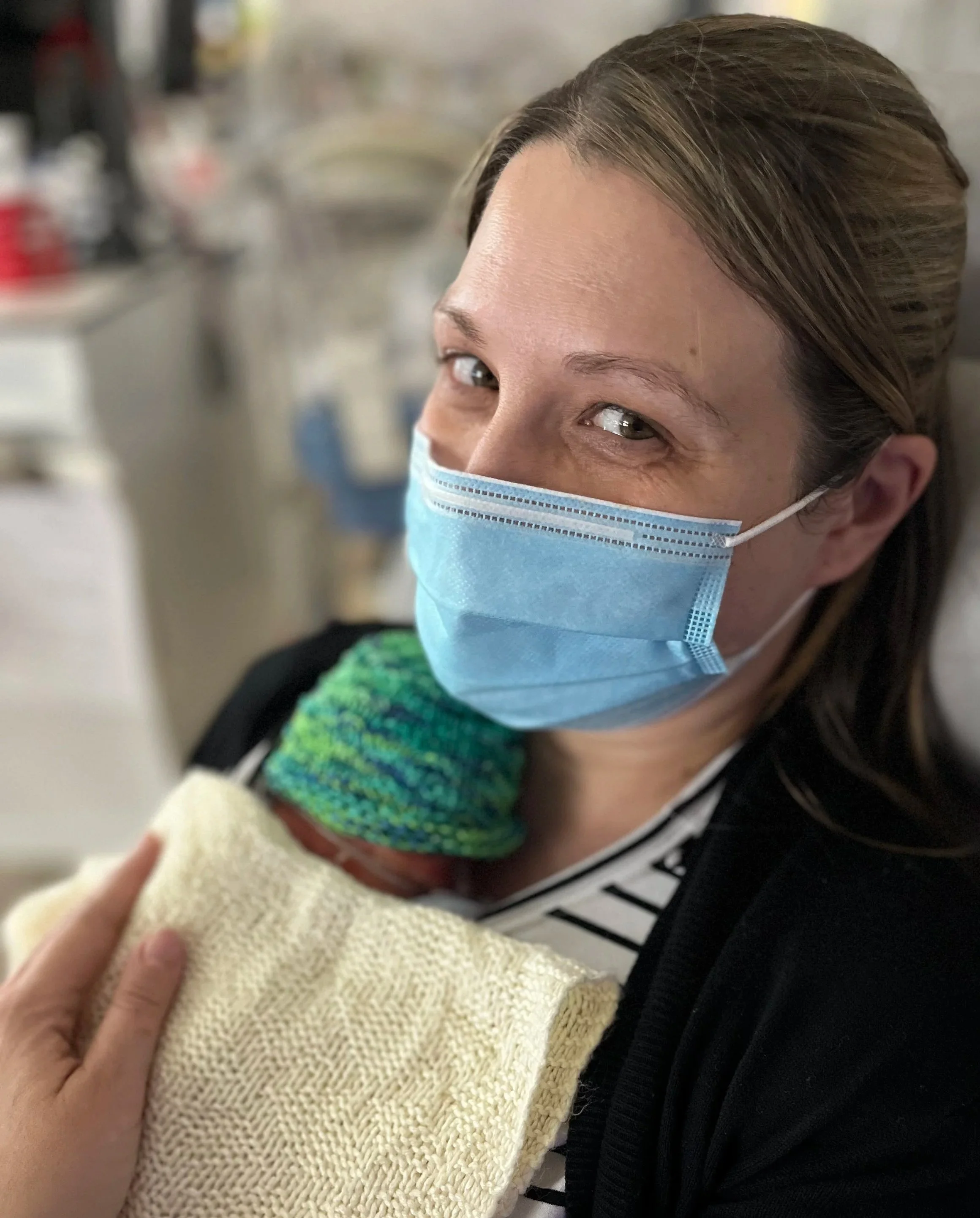
His NICU journey was smoother than Remy’s, but the familiar anxieties lingered: uncertain brain scans, consistent weight loss, breathing concerns, beeps and alarms. It was a language we knew well but you’re still never prepared for it, and this time around, we were also parenting an older child who’d already lived through trauma, managing the logistics being far from home and negotiating the emotional turmoil of feeling like I was failing both of them.
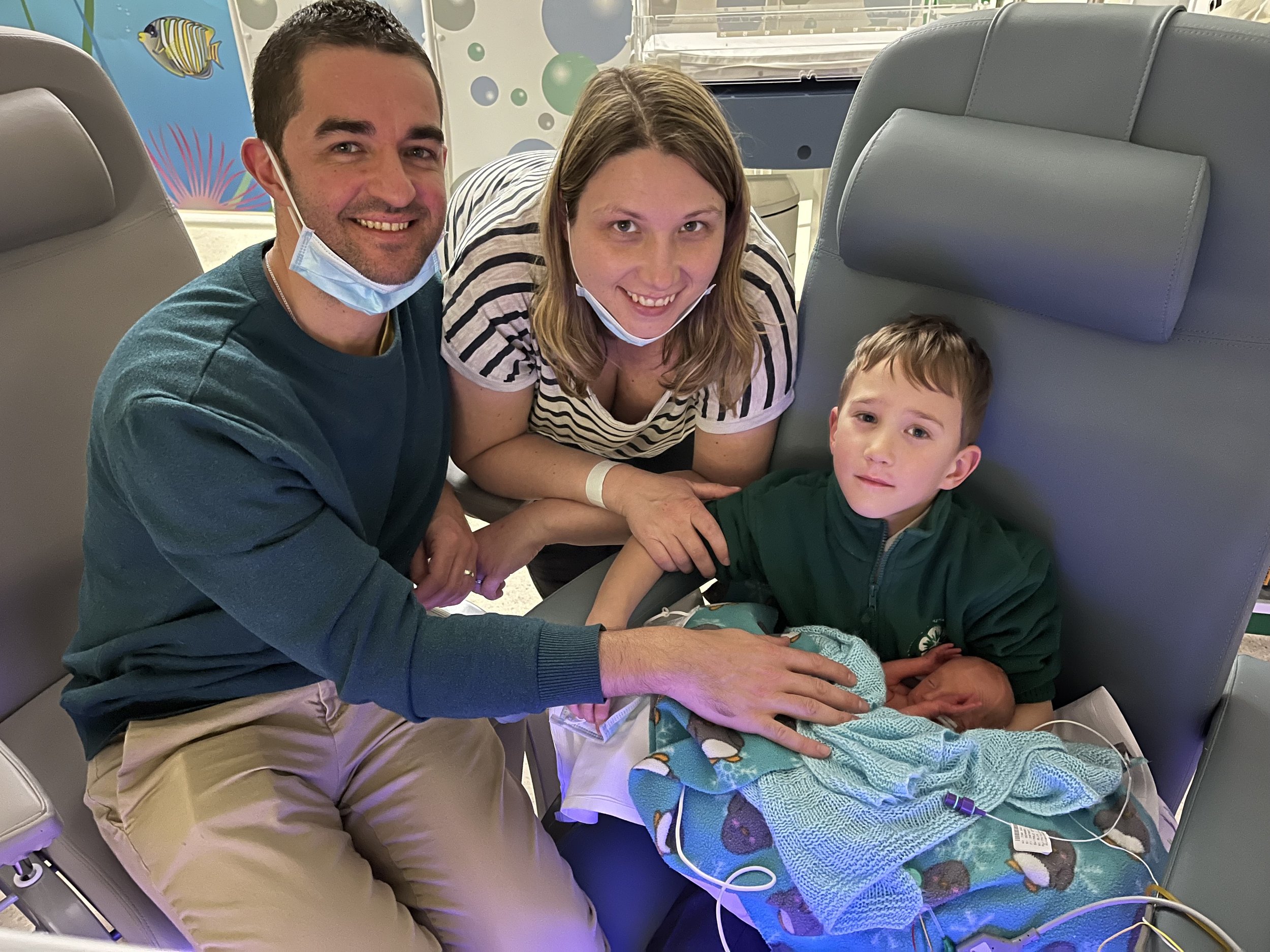
After two months, Otto came home. On Mother’s Day night, the eve of our departure, both my boys slept beside me on the unit. It’s a moment I’ll never forget, watching Remy sleep while I swayed with Otto, humming Beauty and the Beast while he snoozed on my shoulder. It finally felt like something approaching normal, that we could dare to glimpse what life might be like.
Life after NICU
As much as we’ve had moments where things have felt steadier, the time since discharge has carried its own set of challenges. Reading The After NICU Report 2025 from The Smallest Things felt like reading pieces of our life. I was one of the parents who responded, but seeing it all laid out – mental health impact, repeated hospital admissions, strain on family life and work, challenges in education – was confronting.
My mental health has suffered considerably, living with PTSD, flashbacks, anxiety and intrusive thoughts. A year after Remy came home, I remember driving and thinking, “If I just crashed, I wouldn’t have to feel like this anymore.” I never intended to act on it, but the thought alone was my wake-up call. No parent should reach that point.
When Remy came early, we felt the toll financially, losing months of income and increased expenditure as we cared for our vulnerable child away from home, and I was forced to take out a loan to finish maternity leave, with so much of it robbed from us at the start. With Otto, my workplace’s Employer with Heart policy protected us, something I’d pushed to get into place for other families after our first NICU experience, and it made a profound difference. But I couldn’t return to work a second time, the impact of two premature births and children with ongoing needs made it impossible to go back and meet all those demands, without breaking myself or our family any further.
We still spend so much of our time at the hospital or at appointments as both boys have ongoing medical needs. Otto was readmitted eight times in just over a year with serious respiratory infections. Each stay meant holding him down for cannulas while he screamed, trying to comfort Remy at home who couldn’t cope without me, and running my business from a hospital bed.
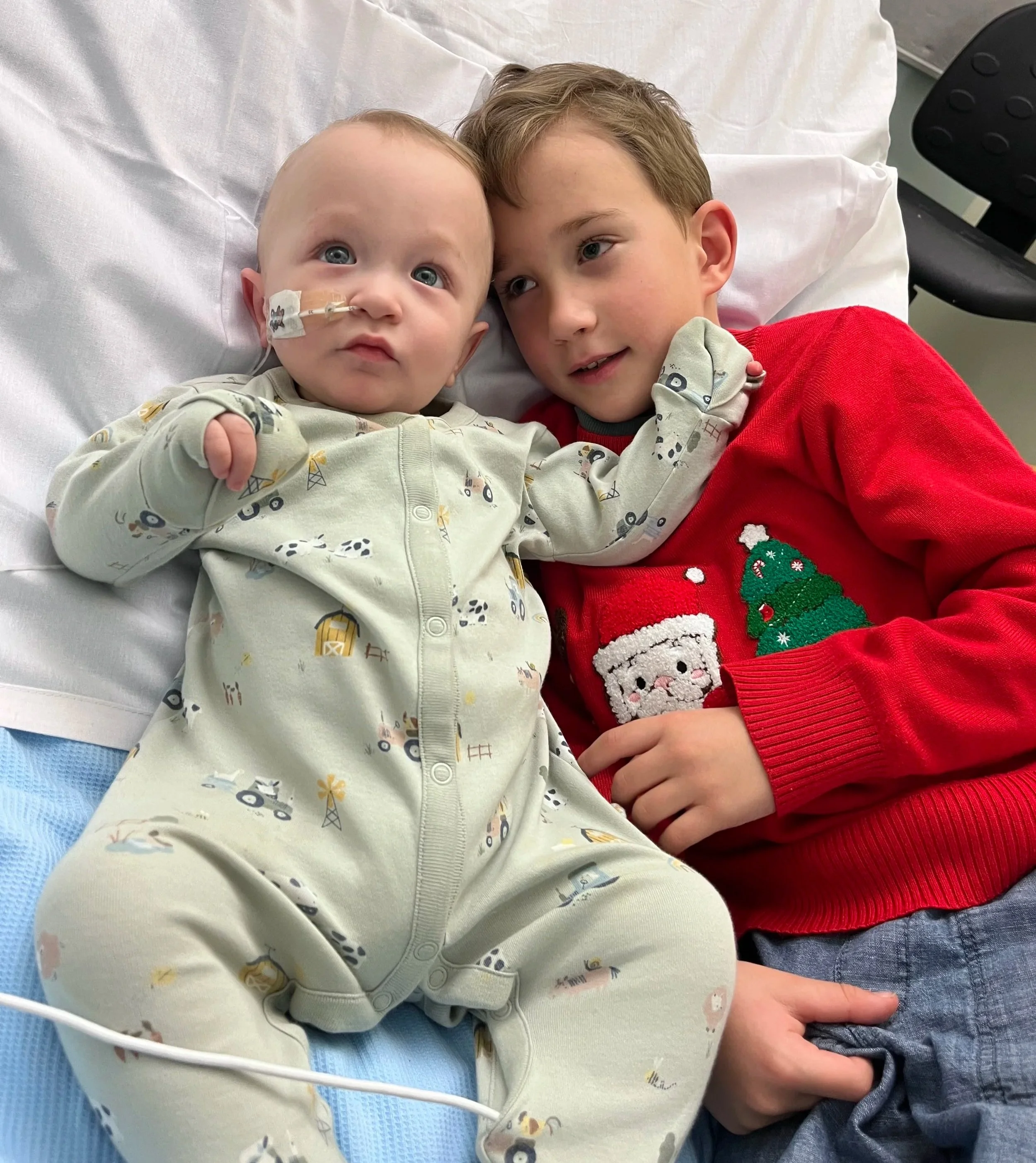
With both children, we have and are still struggling through the early years. From infancy, Remy was anxious, overwhelmed and like he was never quite settled in his own skin. For years we were told he was “just sensitive”, but I knew it was more profound. It took 7.5 years to finally get his autism and ADHD diagnosis and while it isn’t a magic wand, it’s transformed his understanding of himself. Now we’re starting the process again for Otto, and second time around, I’m advocating even harder.
Why The Smallest Things’ work matters
Everything we’ve lived makes the charity’s recommendations not just important, but essential. Mental health support shouldn’t depend on breaking point, medical care shouldn’t stop at “fixed for now”, schools must understand the lifelong impact of prematurity and parents should never have to choose between their baby and financial survival.
Nothing will take away what you are going through, but what is being called for will have a positive impact on the long term impact for families of premature birth. With 90% of parents and caregivers feeling the effects of prematurity long after they leave hospital, post-NICU wellbeing checks, continuity of care, Prem Aware early years settings and Employer with Heart policies are all vital to help provide better support and make real change for families. I will continue to support these recommendations because I know, first-hand, what happens without them.
For anyone living it now
If your baby is in NICU now, or you’re months or years out and still feeling the impact, please know this: you’re not failing and you’re not imagining it; you’re living through something life-altering and extraordinary.
The journey doesn’t end at discharge, but thanks to organisations like The Smallest Things, neither does the support. More settings are becoming Prem Aware, more workplaces are joining Employer with Heart, more stories are reaching the people who need to hear them, from government ministers to the scared parent staring through an incubator wall, desperate for certainty in the unknown. That’s why I share our story because every time families speak up, we make the path clearer for the next family and edge closer to real change.
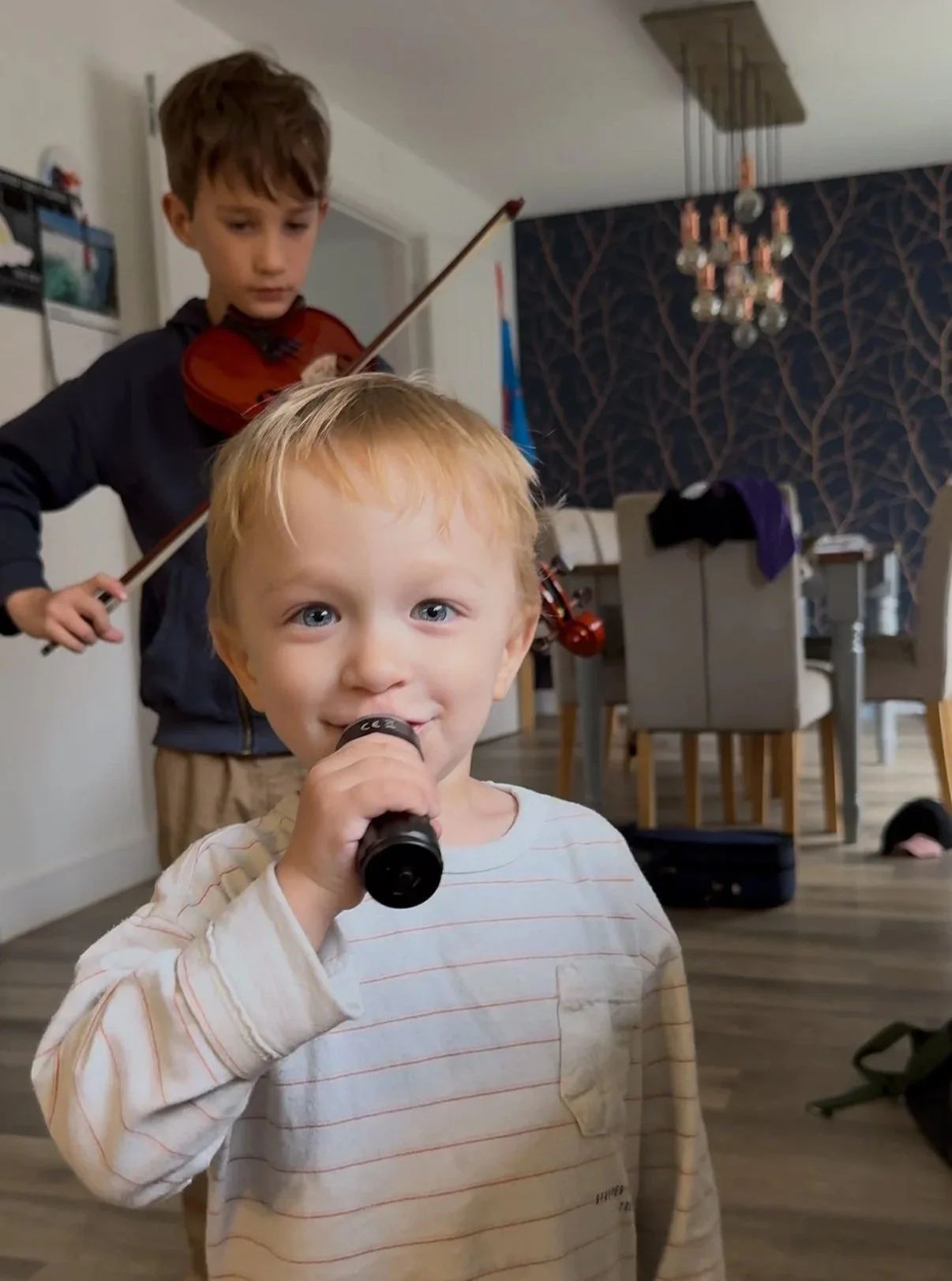
I would never have chosen this path for my boys, but I am endlessly proud of them, and of us. I have an eight-year-old whose geopolitical analysis could put most governments to shame, and a two-year-old who revels in singing the entire back catalogue of Eurovision in various Nordic dialects. Those are the gifts I hold onto.
We are still on the journey, and always will be, but we’re not alone. Growing a family in NICU is never the start you ask for, but it connects you with some of the strongest people you’ll ever meet, and that strength means you never have to walk it alone.
Thanks to Kirsten for sharing Remy’s and Otto’s story.